TWO AERODROMES AND A DRAGON’S TOOTH – NAZEING AT WAR
With the 80th Anniversary of the ending of WW2 and the renewed interest it has instilled, Nazeing History Workshop wanted to share the story of what the residents of Nazeing went through during the last conflict.
This period of history has been covered in our book Seventeen Miles From Town, The History of Nazeing Part 2, which we produced as a millennium project. Since then, we have acquired more personal testimonies, either in person or from newspapers or through online projects. Our books are still available through our website and are exceptional value at only £10. Please contact us via the website https://nazeinghistory.org/publications/
or Facebook https://www.facebook.com/nazeinghistoryworkshop
In these blogs we wanted to concentrate on the human element, on how national and international events affected those who were living, working and visiting our village of Nazeing at this time of uncertainty. We look at the social, strategic and physical changes brought about by the war. If you have any personal testimonies or stories relating to Nazeing and the War we would love to add them to our records. Please get in touch via Facebook or our website.
THE THREAT OF AN INVASION
Defences were set up along the coast and in a path around London, known as the “Outer London Defence Ring”. Nazeing, located due north of the capital was divided in two. The path of this “Defence Ring” ran from the river in the west, crossed St Leonards Road, then traversed the fields to Perry Hill and onto Bumbles Green.

This information and map about the route of the Outer Defence Ring was from The Last Ditch by David Lampe, 1968. Residents outside the defence ring would have been isolated from other parts of the village. Evacuation of the area around Bumbles Green and other parts of the village would have been necessary in the event of an invasion. Plans were drawn up all over Britain and revised regularly. In October 1942 the Invasion Defence Officer at Waltham Abbey wrote to the Nazeing Parish Invasion Committee, a letter headed Most Secret. They suggested an evacuation route by walking up Bumbles Green Lane to Galley Hill Green and on to Aimes Green. Where an emergency cooking stove and rations have been provided. Those people who were evacuated should bring along with them a knife, fork, spoon, cup and plate. Then onto Waltham Abbey well within the defence ring.
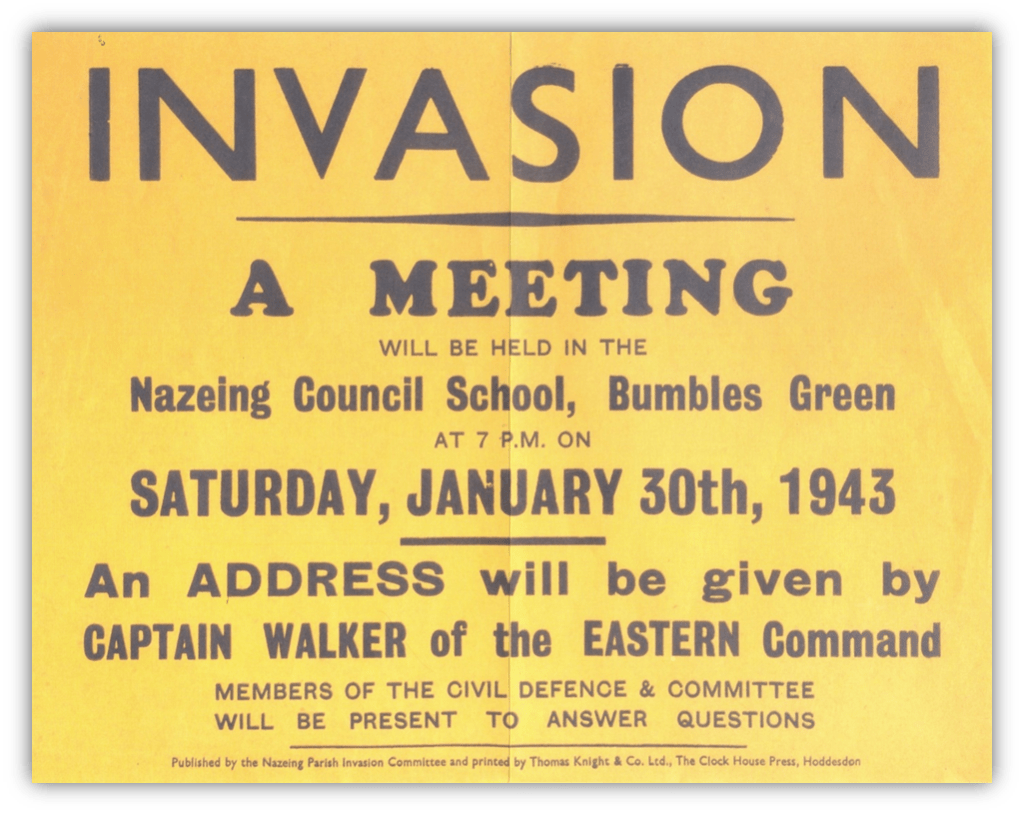
Surprisingly, this copy of an original poster was found by a Nazeing Resident whilst on holiday in a museum in another part of the country. It is listed under Souvenirs and Ephemera at the Imperial War Museum.
The diary of Gladys Hills tells us that there were several of these meetings, sometimes they occurred at the Chapel Hall.
There must have been real fear and anxiety at all these preparations to resist an invasion.
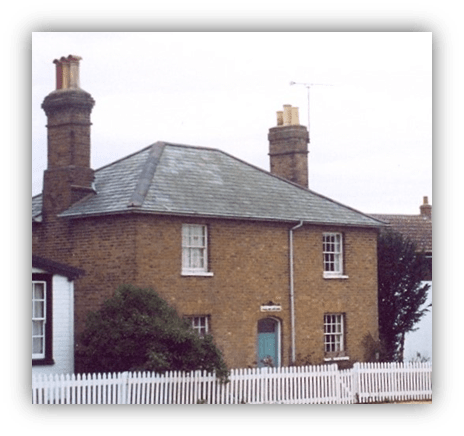
Nance Coleman lived in Ivy Cottage, which was behind the King Harolds Head and outside the defence ring. The house has a view east over the common. Loopholes, through which guns could be pointed, were cut out of the cottage walls to help with the defence of the dummy airfield which you will learn about in a later blog. Below is the front view of Ivy Cottages. Nance and Bert Coleman lived in the LHS, Percy and Margaret Wallis in the RHS.
Below you can see the open view from Nazeing Lower Gate over the common as it was before WW2. Far left is the back of Ivy Cottage. Second left are the buildings of the King Harolds Head.

Annie Ada (Nance) Mead (1899) was born in Bumbles Green. She was a schoolroom maid for the Hargreaves family at Nazeing Park until her marriage in 1926 to Bert Coleman, a grounds man at the Golf Course on Nazeing Common. They spent the rest of their lives at Ivy Cottage which belonged to the Hargreaves family. Bert had lost a leg in the 1st world war, but led an active life becoming a foreman in the local greenhouse industry. Nance recorded her memories of life in the village with the village headmaster, Marcus Hills. in the 1970’s. This was our first Oral History Project You can read more of her story in Purely Agricultural Village? , the latest of our publications.
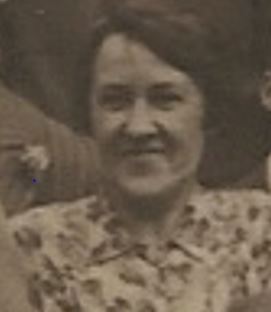
Nance photographed at her niece’s wedding in 1943
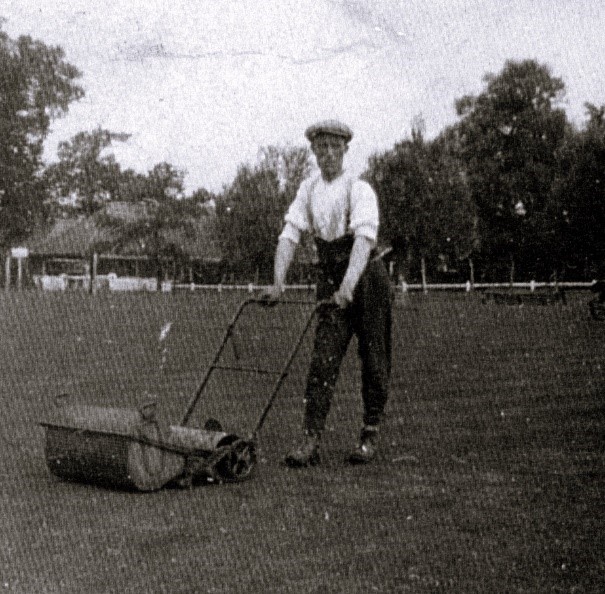
Bert, Nance’s husband at the first tee outside the Golf club house on the top of Nazeing Common.
Our next blog will cover the physical structures that were created to form this defence of the nations capital.
 Nazeing History